











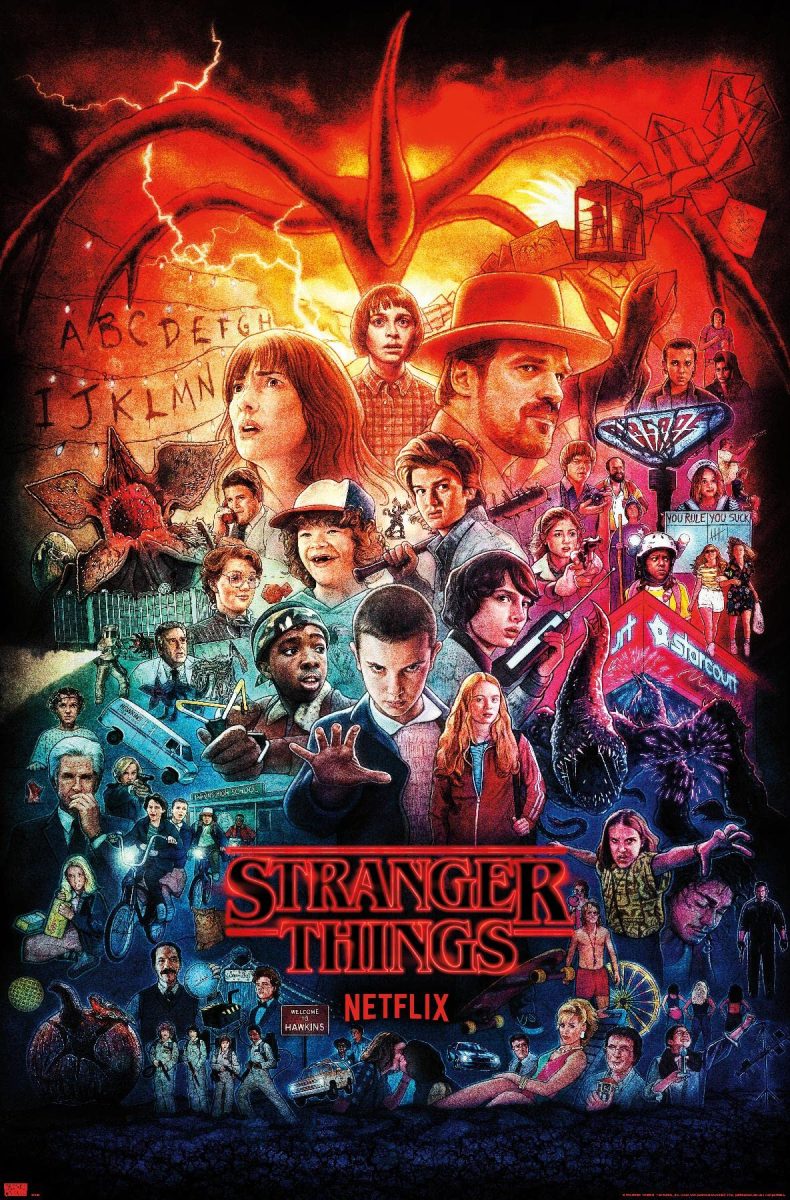







In July 2016, the first season of “Stranger Things” quickly rose in popularity. This new show combined eerie horror with the nostalgia of adventure movies from the 80s, evoking classics such as “The Goonies,” “Stand By Me,” and “E.T. the Extra-Terrestrial.” However, one of the other aspects of the show that intrigued and captivated the audience was its underlying mystery.
There was this inherent questioning that followed the end of each episode that people couldn’t answer on their own. They had to watch the next episode to figure it out. When Will Byers disappeared in the strange intro of the first episode, we had to ask ourselves, “Where is he?” And that question continued throughout the season as we saw his mother seemingly go crazy over the flashing lights in her home. Similarly, we had to ask ourselves, “What is this monster going around the town taking people?” and “Who is this strange girl with a shaved head? How does she relate to the disappearances?”
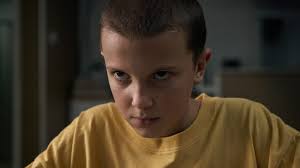
When everything is finally revealed, it isn’t all at once. Similar to “The Goonies,” who traverse the twisted caverns of the dreaded One-Eyed Willy, slowly uncovering boobie traps and solving the puzzles to find the treasure, the characters in “Stranger Things” also slowly solve the puzzle of the mystery. It isn’t all at once. It’s Nancy piecing together the photo of Barb, Mr. Clarke explaining parallel dimensions to the boys, Joyce putting the lights on her wall, and more, until the audience answers all the questions alongside the characters, shocked.
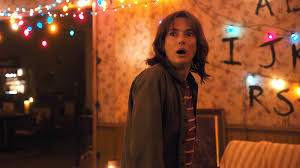
Season one of “Stranger Things” was a twisting set of interconnecting storylines, which helped the audience piece together the mystery alongside the characters. It is highly acclaimed and the highest rated season on IMDB with an 8.8 out of 10.
Unfortunately, no other season was ever able to capture the mystery the way that season one did. The purposeful narrative that told just enough to make people question everything was never captured again. This is because the creators began to show the audience too much.
Essentially, the storytelling of the next few seasons followed a specific formula. They would show the audience an inciting event, however, they would show certain details that would reveal the plot twist of the mystery long before the characters even began to unravel the puzzle. What if, when Will was kidnapped in season one, they showed the demogorgon take him to the upside down? What if the first time the show introduced Eleven, they showed her creating the upside down after meeting the Demogorgon? The audience would watch the rest of the season knowing what the upside down was and how it was created, and the eventual reveals of the season would feel less impactful. The thrill of the mystery would be lost because they would know too much too early. This is exactly what happened in the subsequent seasons.
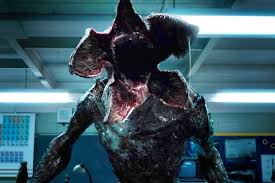
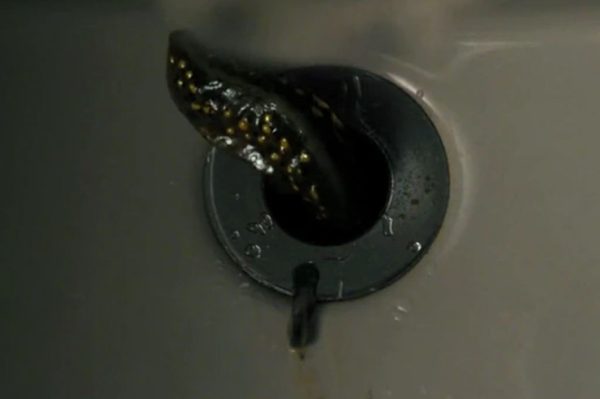
Season two of “Stranger Things” begins right after season one, with Will having strange visions of the Mind Flayer and Hopper investigating a blight on the local farms. From the beginning, the audience knew too much because of the post-credits scene in season one. The cliffhanger of Will coughing up the slug-like creature was done as a way to entice viewers to return, but it fundamentally affected the mystery of the second season because audiences immediately knew that something was wrong with Will when he started having visions and acting strange. The season would have been much more intriguing if viewers shared the same level of information as Joyce, not knowing if Will’s visions and feelings were real or psychological.
Nevertheless, season two still has its virtues. There are still a lot of good moments where the viewers and the characters solve the puzzle together, such as when Joyce and Bob figure out that Will’s strange drawings are actually a map of the tunnels. However, season three and season four are perfect examples of the Duffer Brothers’ “showing too much”.
Season three episode one starts with a scene of Russians in the Soviet Union trying to open a gate to the upside down. As the episode progresses, there is one scene of the town experiencing a blackout and one scene where Joyce’s kitchen magnets fall off her fridge before the Russians return, this time speaking on Dustin’s long-distance radio. Unfortunately, this exposition tells the audience too much. We already know their motive, their involvement in the Upside Down, and their presence somewhere close enough to Hawkins’s that Dustin’s radio picked it up. Because of that, when the Scoops Ahoy troops finally uncover the truth, it doesn’t feel surprising because we already knew that.
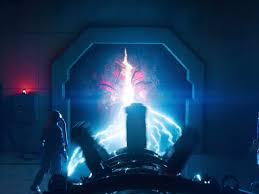
Ultimately, the scenes just feel unnecessary. We don’t need an introduction sequence to tell us that Russians are evil and doing something wicked in Hawkins. It is right in the middle of the Cold War. It would be much more interesting to see the strange electrical happenings in Hawkins for the first episode, and then to hear the Russians speaking on Dustin’s radio with no prior knowledge of the Russians and their purpose. Then, when it’s revealed, it would feel more significant, and the whole mystery of the Scoops Ahoy squad uncovering the secret Russian operations becomes a lot more entertaining because the audience is solving the puzzle alongside them.
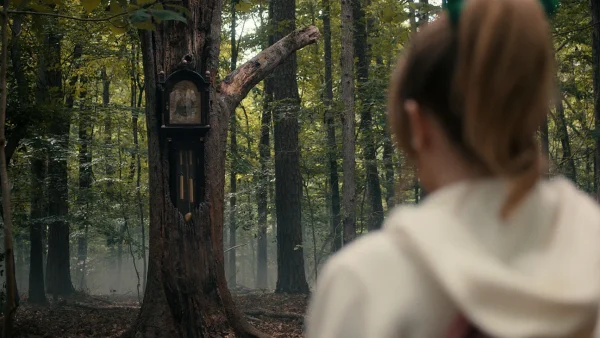
A different issue occurs in season four with Vecna. The Duffer Brothers wanted a spectacle, so they created a “A Nightmare on Elm Street” and “It” hybrid monster, which showed his victims their worst nightmares in a vision before brutally killing them. While the group uncovers a mystery in this season about the Creels’ murders and Vecna’s role in them, the whole way they go about it feels like it lacks in certain parts, especially when the only way they actually figure it out is because Vecna conveniently shows Nancy a vision of his past. This season faces a lot of issues because of the amount of lore it drops and the amount it retcons the show. It feels as if the exposition is being dumped on you instead of slowly connecting the dots of the puzzle, not only in the Vecna killing spree arc, but also in Eleven’s arc where she uncovers her past.
A mystery is good because of suspense and intrigue. There is encouragement to be curious and to speculate about the details. And when the plot twists are revealed, they surprise everyone.
The first season of “Stranger Things” was nitpicky with its exposition. It knew when to tell us something and when to leave something up to speculation. However, it is hard to find joy in discoveries when they are given to us before we can even theorise about the trajectory of the story. When the option to guess is taken from the audience, the essence of the mystery is lost.
And that is exactly what happened with each new season of “Stranger Things.” Fortunately, the new and final season of “Stranger Things” is coming out soon, so they have one last chance to take a stab at writing a good mystery.