











Have you ever been told that touching an Elf on a Shelf would make it lose its magical ability to fly back to the north pole? How about “If you swallow that gum it’ll stay in your stomach for 7 years.” Have you ever stopped to imagine the point in these myths? Myths like the Boogeyman and swallowing gum are a fun, culturally unique way for parents to teach their children manners and protect them from building bad habits.
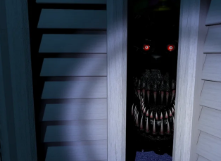 Children that are still developing have little understanding of long term effects and how bad habits can affect their future. Using myths and tales help parents develop children’s understanding of self control and boundaries by expressing consequences of such actions. In a nutshell, these myths allow for children to understand the concept of cause and effect while stopping bad habits. For instance, The Boogeyman is supposed to “get” children if they stay up too late and don’t go to sleep. This shows an immediate threat to them and gets the children to build better habits at an early age. Another example of a positive myth is “staying too close to a tv will make you go blind.” Although, this was a valid concern with old CRT television sets that emit small amounts of X-ray and UV radiation which could harm your eyes over time. Let me be clear: Modern LCD panels inside of TVs can still cause eye strain and dizziness but not to the degree that old TV’s could damage your eyes.
These myths have done more than just build manners for children. Students at Helix remember stand out myths that some still practice even as teens! These stories have shaped them into having good manners and building discipline, nurturing them into young adults.
Kaylee, a student at Helix, recalled a memory when asked about myths.
“I was once told as a little kid that if I pressed the button to turn on the hazard lights, the car would explode. I have still never pressed that button.”
I couldn’t help but laugh at this example due to its absurdity. Although thinking deeper, this is still a helpful albeit exaggerated way to teach your kids to not press the hazard button while they are driving. Pressing the button can result in people getting mistaken for what signal is supposed to be up, causing miscommunication and increasing the chances for an accident.
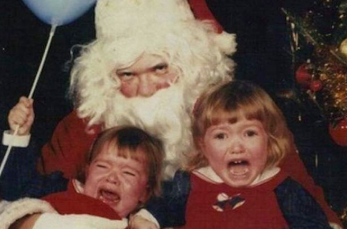
“If I stay awake to see Santa Claus, he’s going to put black pepper in my eyes!”
This myth is from Helix student Taiyou, possibly deriving from his parents’ way of making sure that he wouldn’t wake up and find out Santa wasn’t there. To get a good present, you needed to be on the “good” list for Santa, therefore causing the believers to act good all of December teaching discipline and making sure that the kids are obedient.
“If you swallow gum it will stay in your stomach for 7 years!”
I feel this myth is believable with gum turning to glorified rubber after 30+minutes of chewing and especially because we cannot digest gum and instead it just passes through us. Fortunately, gum does not stay inside of the stomach for 7 years, but if enough gum is swallowed it can block vital pathways and cause digestive problems.
“Swimming after eating causes cramps.”
In theory, this myth has some merit with blood needed for swimming possibly being redirected for digestion causing lactic acid buildup from a lack of oxygen causing cramps. In reality, this has been disproven for mild swimming but vigorously training after any exercise is gonna make you cramp and feel discomfort. This is an obvious fact which made me wonder where this even started. After some research, I was able to find my answer.
 If this myth wasn’t created to prevent or teach someone a habit, is it just misinformation? Looking deeper, the earliest mention of this myth was in a boy scout handbook called, “Scouting for Boys” written by Robert Baden Powell. Inside this guide, he states,
“If you bathe within an hour and a half after taking a meal, that is before your food is digested, you are very likely to get a cramp. A cramp doubles you up in extreme pain so that you cannot move your arms or legs, and down you go. You may drown, and it will be your own fault.”
Essentially he states that swimming after you eat will cause painful cramps that immobilize you in the water, possibly making you drown which is drastically blown out of proportion. We’ve established that this could only be the case if you were partaking in intense swimming or exercise, so it seems this person has a grudge against swimming specifically to say something as crazy as “you may drown, and it will be your own fault.”
Looking back at these childhood myths, it is easy to assume they were silly tales used to tease gullible kids; however, these were powerful tools for parents to build good habits and manners in a fun, memorable way that can be passed down in a culture for generations to come. Whether it was silly elves on shelves, boogeymen, or exploding cars, these myths encourage creativity and imagination.